Insights
How we build, secure, and operate systems that cannot fail. Written by the senior engineers who do the work, for the people deciding who to trust with theirs.
How to Build a Scalable Microservices Architecture with Node.js
If you want to build Node.js microservices that scale, start with clear service boundaries, stateless processes, asynchronous communication, and disciplined observability. The runtime itself is only…

What Are the Key Metrics for Proactive Uptime Management?
If you wait for users to report an outage, you have already lost. The key uptime metrics for proactive management are the ones that surface degradation before it becomes downtime: availability…

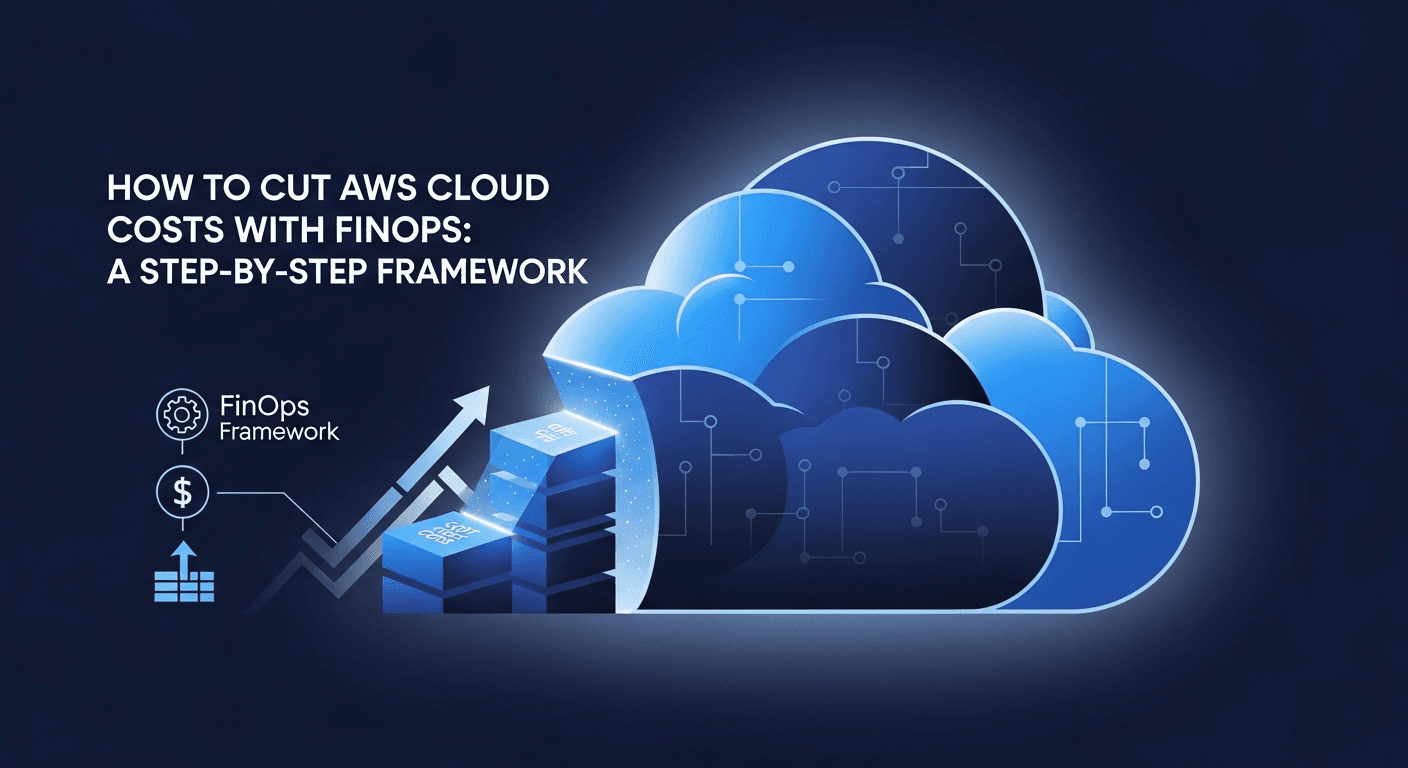
How to Cut AWS Cloud Costs with FinOps: A Step-by-Step Framework
If your AWS bill keeps climbing while your engineers shrug and say "that's just what the cloud costs," the fix is a FinOps framework: a repeatable practice that gives engineering, finance, and…

How to Build an Agile IT Roadmap for Enterprise Digital Transformation
An agile IT roadmap is a living, prioritized plan that connects your business outcomes to specific technical work over a rolling 12 to 24 month horizon, replacing the static three-year Gantt chart…

How to Prepare for a SOC 2 Type II Audit Using Compliance Automation
The fastest, most reliable way to prepare for a SOC 2 Type II audit is to instrument your controls as code, collect evidence continuously, and let compliance automation handle the tedious work of…

How to Design a Scalable Enterprise API with GraphQL Federation
If you are trying to scale a single GraphQL endpoint across dozens of teams, the answer is GraphQL federation: a pattern that lets you split one large schema into independently owned subgraphs, each…

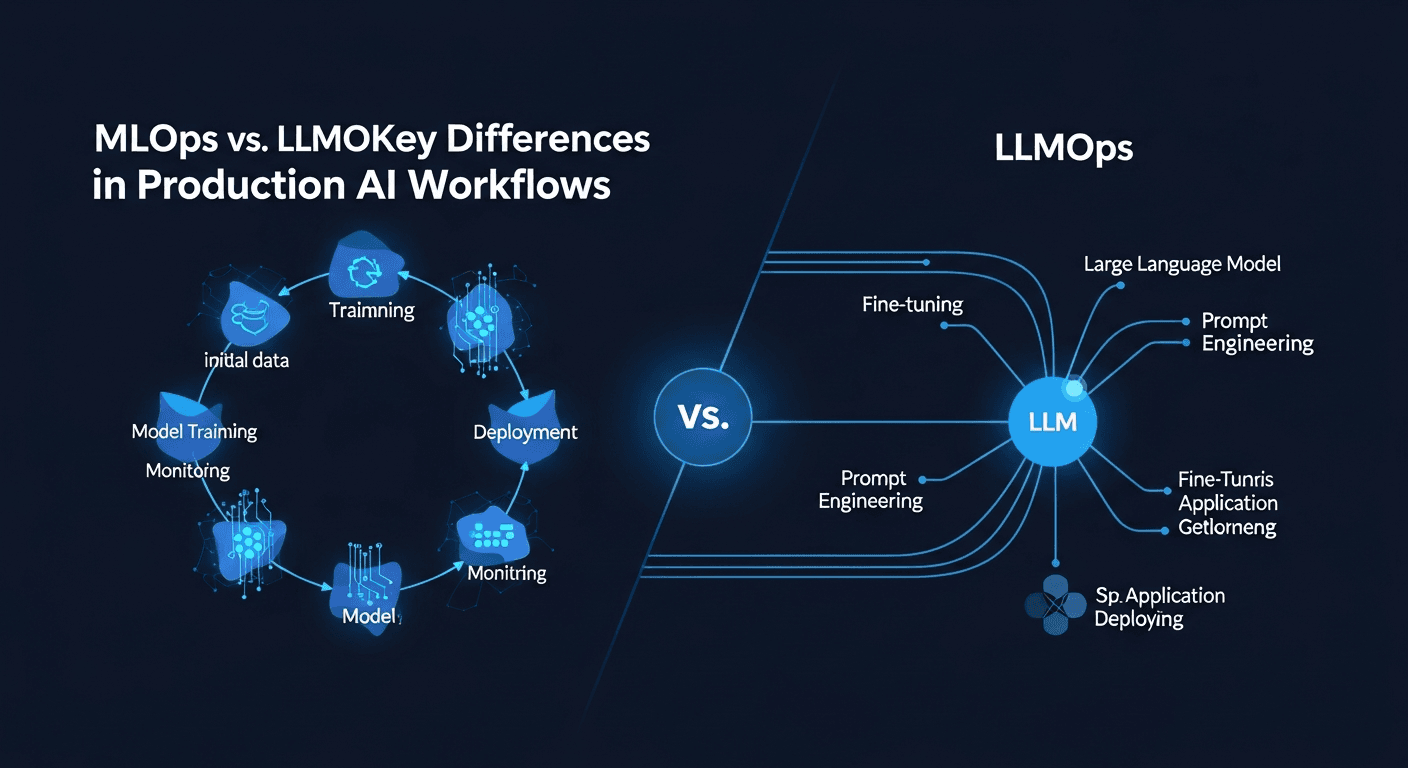
MLOps vs. LLMOps: Key Differences in Production AI Workflows
If you have shipped traditional machine learning models to production and are now wrestling with large language models, the short answer to MLOps vs LLMOps is this: the lifecycle stages look…

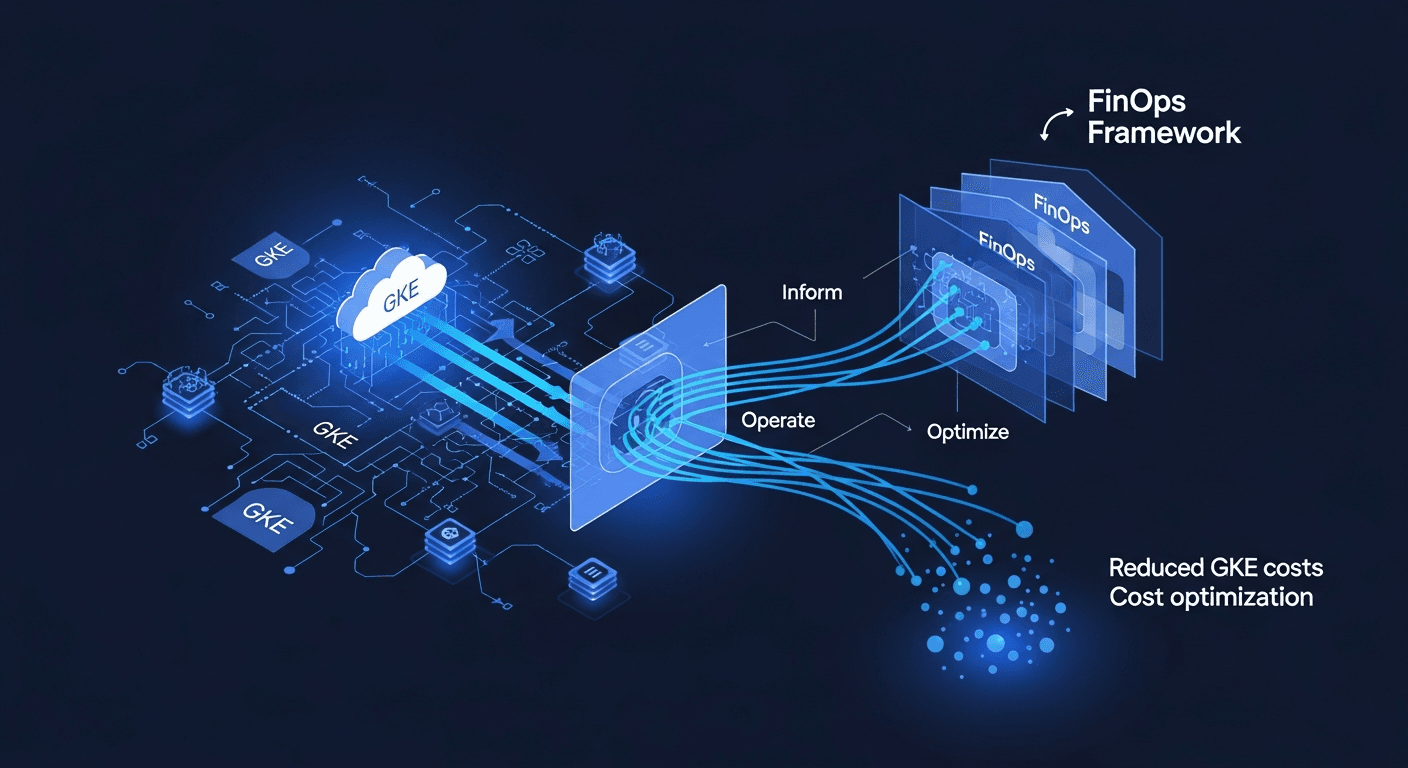
How to Implement a FinOps Framework to Reduce GKE Costs
If your GKE bill keeps climbing while nobody can explain which team or workload is responsible, the fix is a FinOps framework: a repeatable operating model that ties Kubernetes spend to engineering…

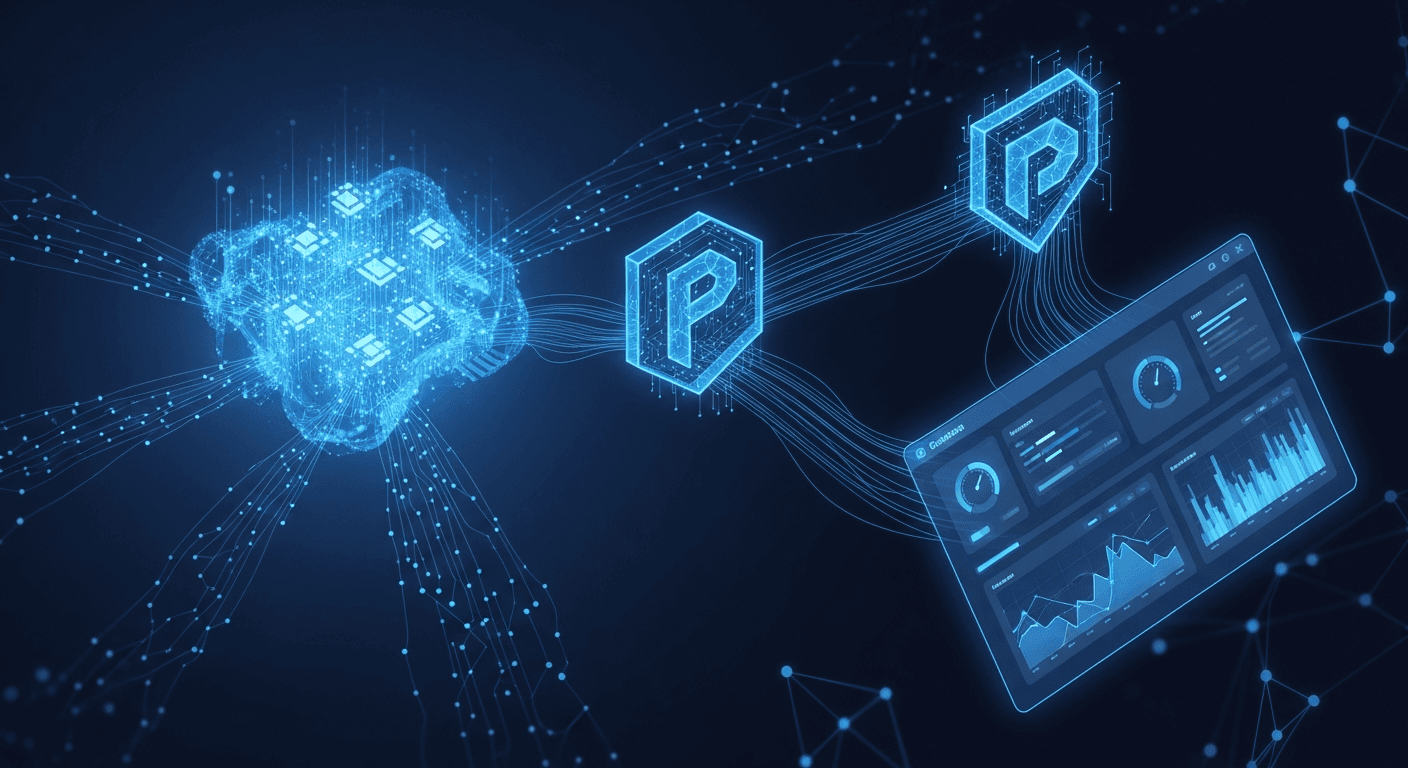
How to Implement LLM Telemetry Using Prometheus and Grafana
If you are running large language models in production and cannot answer basic questions like "what is our p95 latency," "how many tokens did we burn last hour," or "which prompt template is driving…

When to Use GraphQL vs. REST for a Microservices Architecture
If you are choosing between GraphQL vs REST for a microservices architecture, the honest answer is that neither wins outright. Use REST when your services expose stable, resource-oriented operations…

How to Implement LLMOps for Large Language Model Telemetry and Observability
If you are running large language models in production without structured telemetry, you are flying blind. Implementing LLMOps for telemetry and observability means instrumenting every inference…

How to Implement FinOps on AWS for Measurable Cloud Cost Cuts
To implement FinOps on AWS and cut cloud costs in a way you can actually measure, you need three things working together: accurate cost allocation through tagging, a continuous loop of visibility…

How to Implement FinOps with Terraform for AWS Cost Optimization
If you want to control AWS spend without slowing delivery, the answer is to treat cost as code: implement FinOps Terraform practices that tag every resource, enforce budget guardrails in the…

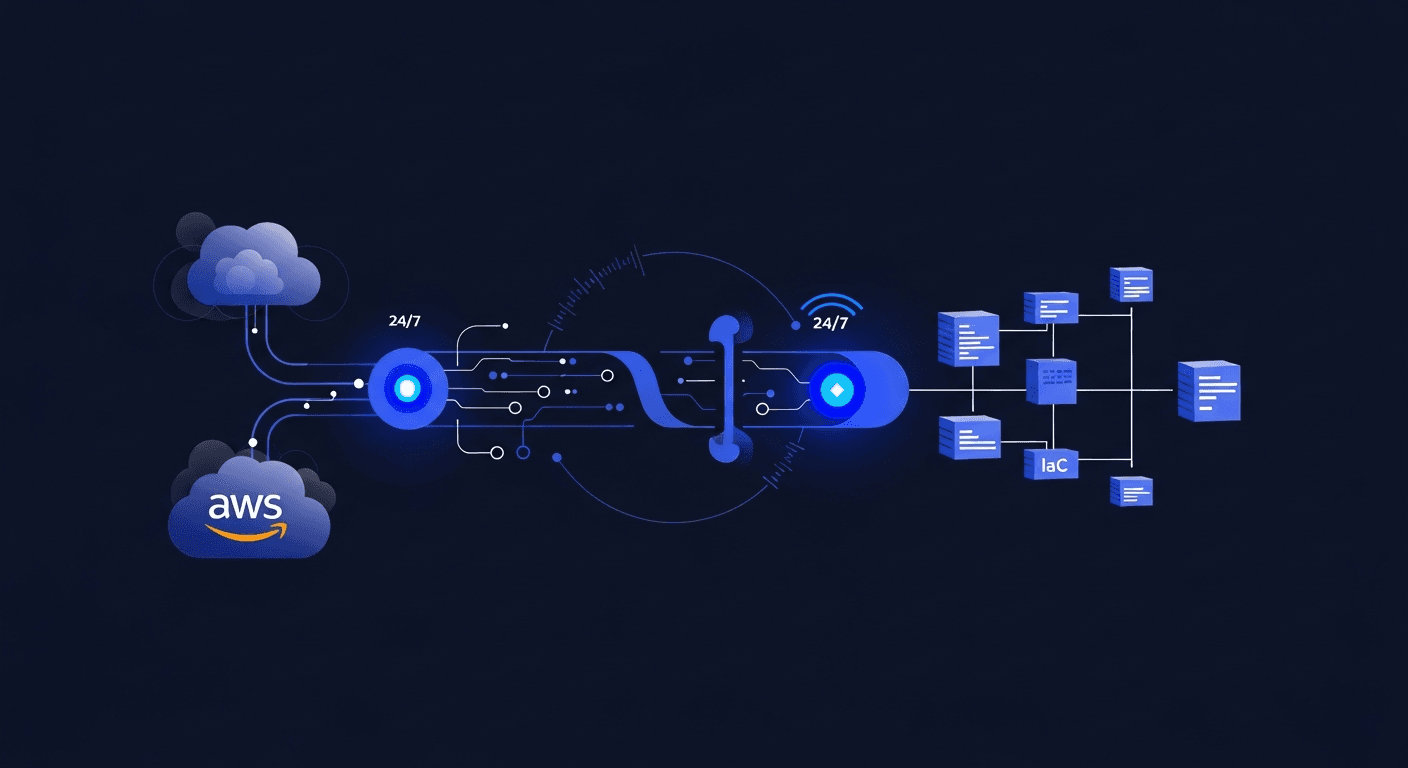
How to Build a 24/7 SRE Pipeline with Terraform and AWS
To build a Terraform SRE pipeline that runs 24/7 on AWS, you codify three things and wire them together: your infrastructure (compute, networking, data stores), your observability stack (metrics,…

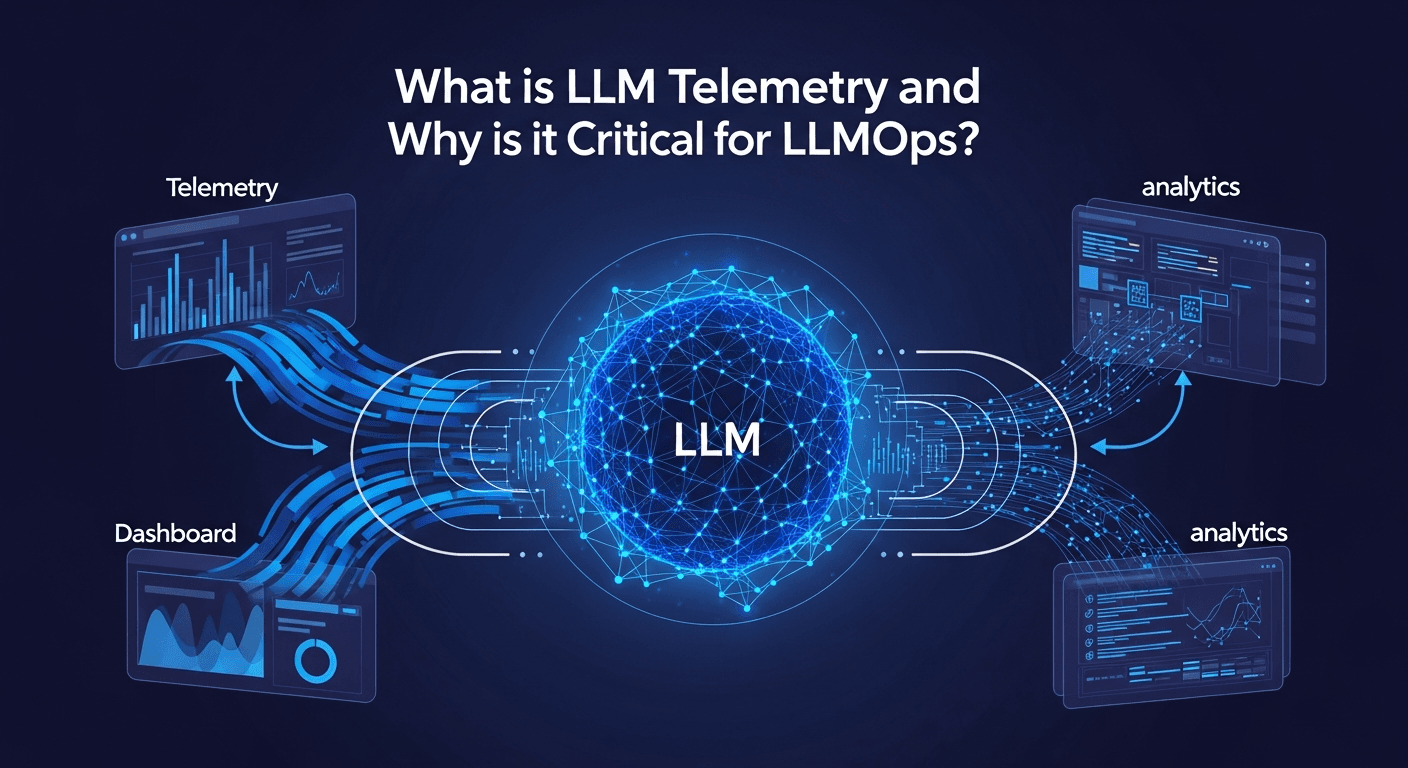
What is LLM Telemetry and Why is it Critical for LLMOps?
If your large language model application breaks in production, the failure is rarely loud. There is no stack trace, no 500 error, no alert. The model returns a confident, well-formatted answer that…

MLOps vs. LLMOps: Key Differences in Monitoring, Deployment, and Telemetry
If you already run a mature MLOps practice, the core differences in MLOps vs LLMOps come down to three things: what you monitor, how you deploy, and what telemetry you collect. Traditional MLOps…
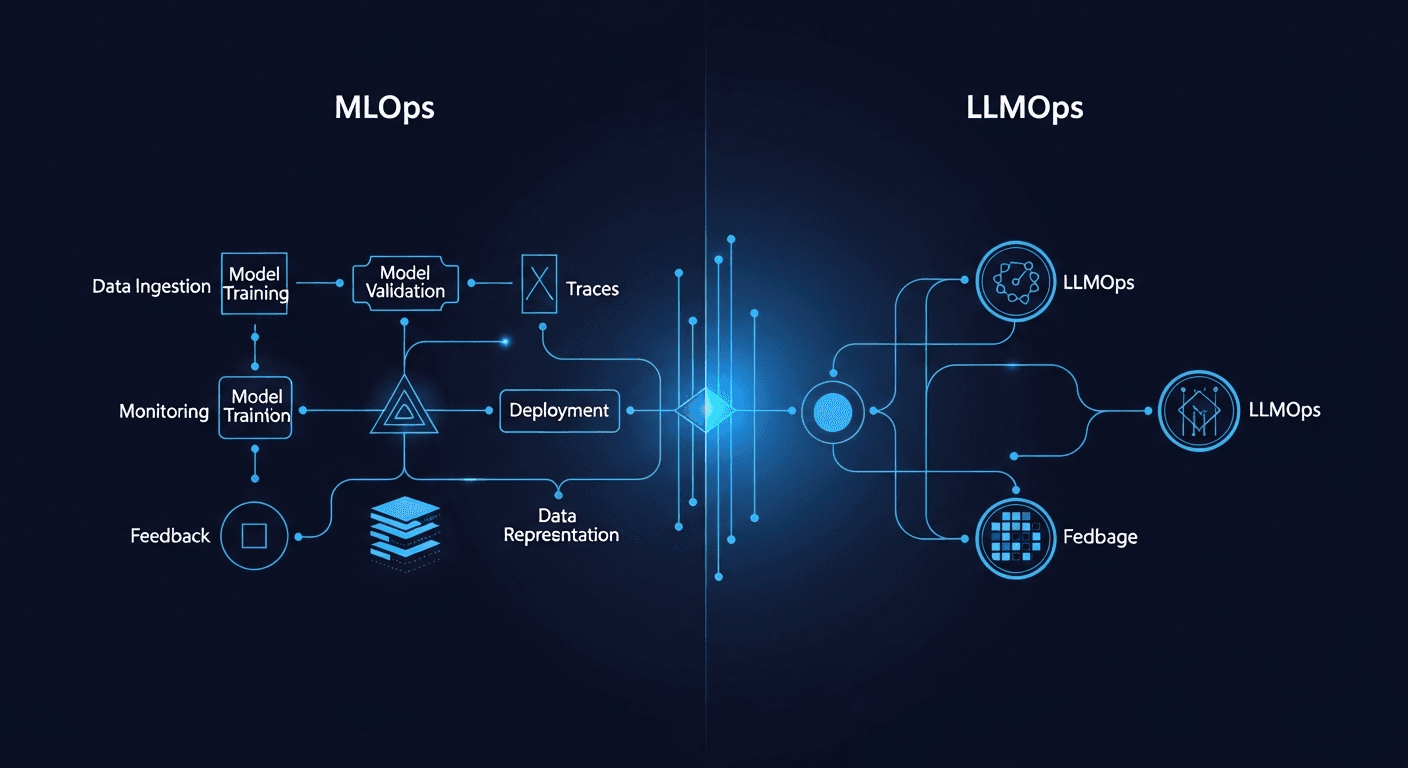
MLOps vs. LLMOps: Key Differences for Production AI Teams
If you already run machine learning in production, MLOps vs LLMOps comes down to this: MLOps is the discipline of deploying, monitoring, and retraining models you train on your own data, while…
What Is FinOps? A Framework for Cutting Cloud Costs Without Slowing Delivery
Your cloud bill is growing faster than your revenue, and nobody can fully explain why. Engineering says they need the capacity. Finance sees a number that climbs every month with no clear owner.…

Why Workforce Augmentation is the Modern CTO’s Secret Weapon
Scale your tech team with confidence. TechSense Developers explains how workforce augmentation helps CTOs access niche expertise and optimize costs.