How Platform Engineering Accelerates Enterprise Digital Transformation and Agility
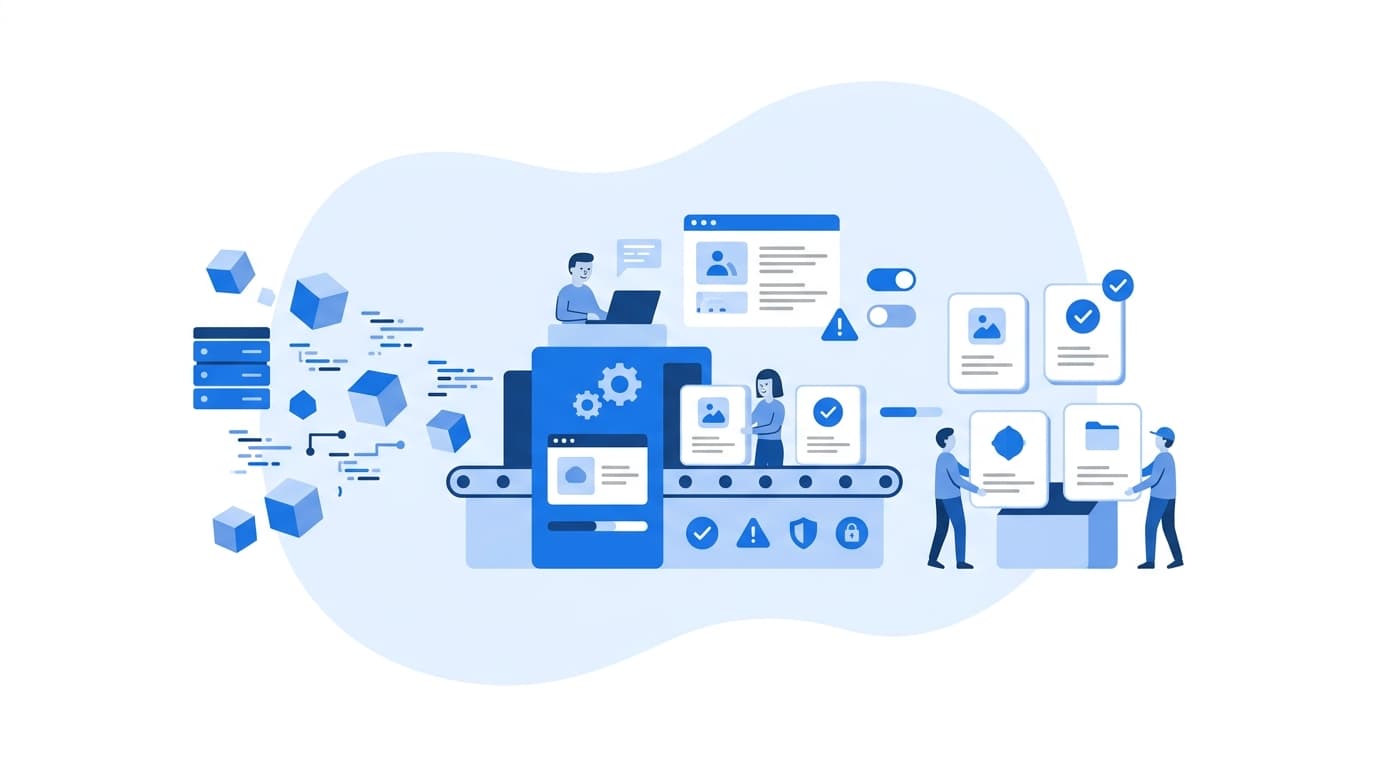
Platform engineering accelerates enterprise digital transformation by turning the repeated, error-prone work of shipping software into self-service products that delivery teams consume on demand. These include provisioning infrastructure, wiring CI/CD, meeting security controls, and setting up observability. Done well, platform engineering digital transformation removes the bottleneck that stalls most modernization programs: the gap between a strategy deck that says "move faster" and dozens of teams that each have to rediscover how to deploy, secure, and operate a service. The platform encodes the organization's best answer once, and every team inherits it. That is where enterprise agility comes from: shorter paths to production, fewer handoffs, and governance that runs automatically instead of through ticket queues.
The rest of this post explains why that works, what a credible platform looks like, and how we recommend sequencing the effort so it pays back early.
Why Transformation Programs Stall at the Delivery Layer
Most enterprises do not lack ambition or cloud budget. They lack a repeatable way for application teams to use the cloud safely. The pattern is familiar:
- A central infrastructure or security team owns the "approved" way to do things, but access to it runs through tickets.
- Application teams, under deadline pressure, build their own pipelines and Terraform modules. Each is slightly different.
- Audit and compliance reviews happen late, find drift, and force rework.
- Engineers spend a growing share of their time on toolchain plumbing instead of product logic.
Matthew Skelton and Manuel Pais describe the root cause in Team Topologies (IT Revolution, 2019) as cognitive load. When a stream-aligned team must understand Kubernetes networking, IAM policy syntax, secrets rotation, and five observability tools just to ship a feature, its throughput collapses. Adding more teams multiplies the problem rather than solving it.
Platform engineering addresses this directly. It does not replace DevOps culture. It gives that culture a product to stand on.
What Platform Engineering Digital Transformation Actually Means
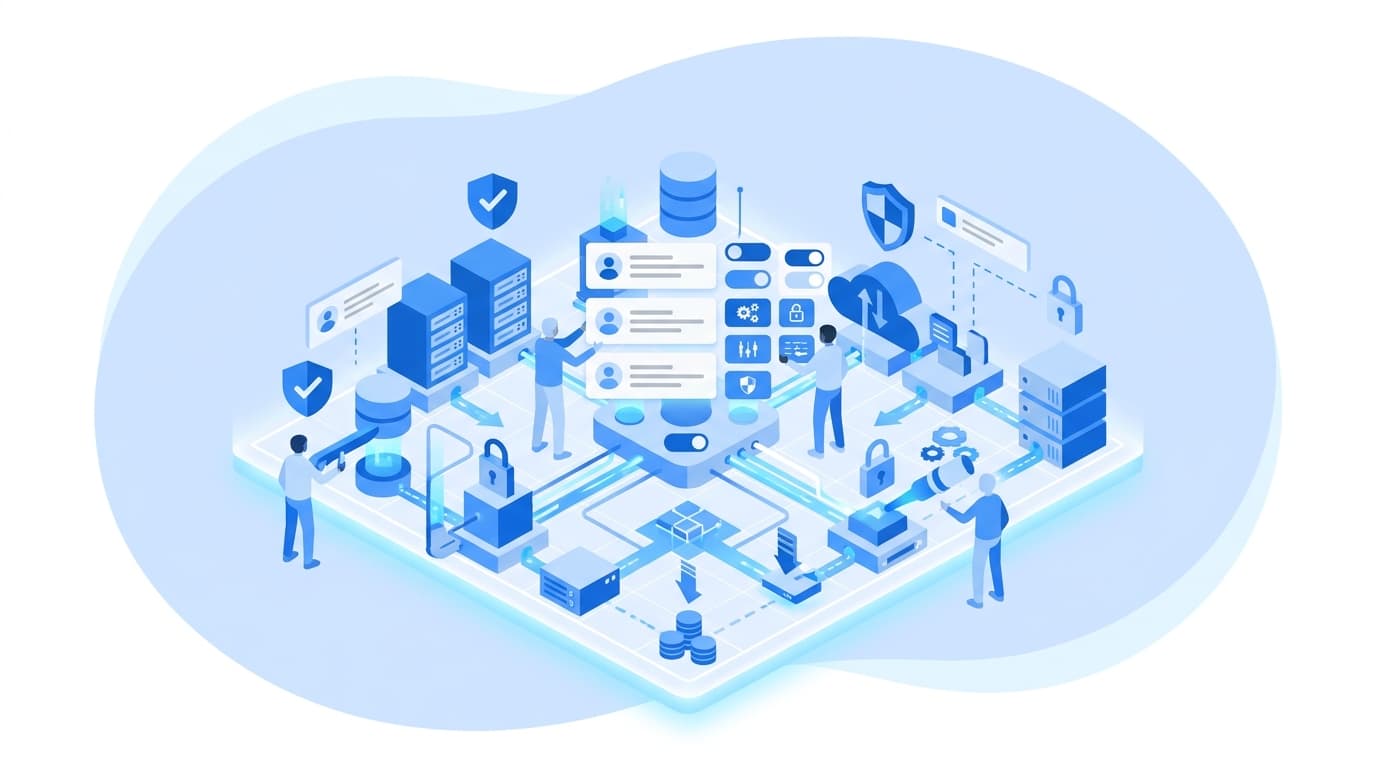
The CNCF's Platforms White Paper (TAG App Delivery, 2023) defines a platform as an integrated collection of capabilities, presented according to the needs of its users, that enables teams to deliver value. Two ideas in that definition matter most.
The platform is a product, and developers are its customers
An internal developer platform (IDP) is not a pile of shared scripts. It has:
- A product owner who prioritizes based on developer demand, not infrastructure preference.
- Documented interfaces: a portal, a CLI, an API, or templates.
- Service levels: what the platform guarantees and what remains the consuming team's responsibility.
- Feedback loops: adoption tracking, developer surveys, and a public roadmap.
If teams are forced to use the platform, you will not learn whether it is any good. If they choose it because it is the fastest path, you know it is working.
Golden paths, not golden cages
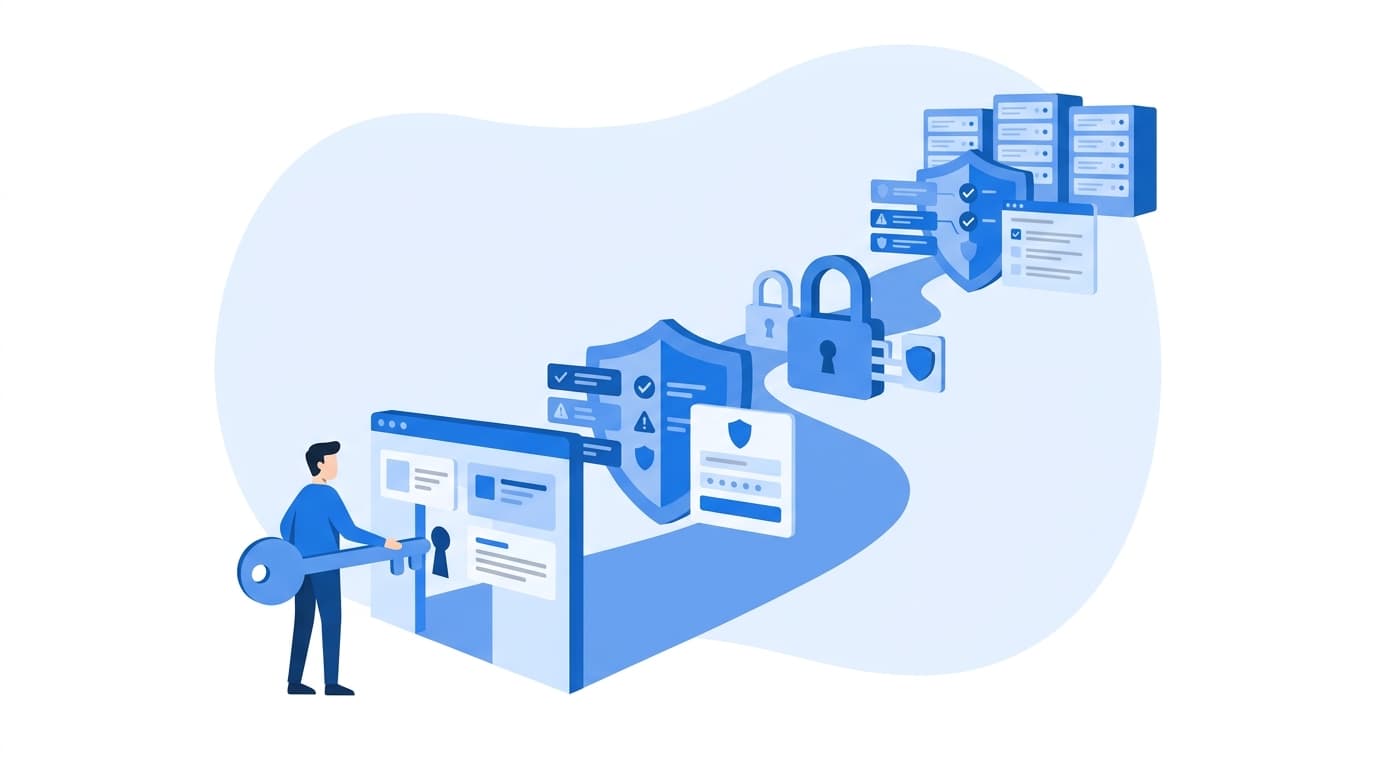
A golden path is the opinionated, supported route for a common task, such as "create a new containerized API service." It bundles sensible defaults: a repository skeleton, a pipeline, baseline security scanning, logging, and a deployment target. Teams with genuinely unusual needs can step off the path, but they then own the consequences. This balance keeps the platform from becoming a bureaucratic gate.
How Developer Platforms Drive IT Transformation Acceleration
Here is where the acceleration actually comes from, in concrete terms.
1. Self-service replaces ticket queues
The most visible win is that a developer can create a production-ready service in minutes without waiting on another team. Backstage, the open-source developer portal originally built at Spotify and now a CNCF project, expresses golden paths as software templates. A simplified example:
apiVersion: scaffolder.backstage.io/v1beta3
kind: Template
metadata:
  name: java-api-service
  title: Java REST API (Golden Path)
  description: Containerized API with CI, scanning, and observability preconfigured
spec:
  owner: platform-team
  type: service
  parameters:
    - title: Service details
      required: [name, owner]
      properties:
        name:
          type: string
          description: Unique service name
        owner:
          type: string
          ui:field: OwnerPicker
  steps:
    - id: fetch
      name: Generate from skeleton
      action: fetch:template
      input:
        url: ./skeleton
        values:
          name: ${{ parameters.name }}
          owner: ${{ parameters.owner }}
    - id: publish
      name: Create repository
      action: publish:github
      input:
        repoUrl: github.com?owner=example-org&repo=${{ parameters.name }}
    - id: register
      name: Register in catalog
      action: catalog:register
      input:
        repoContentsUrl: ${{ steps.publish.output.repoContentsUrl }}
        catalogInfoPath: /catalog-info.yaml
The skeleton behind this template is where the organization's standards live: the Dockerfile base image, the pipeline definition, the dependency scanner, the dashboards. Improve the skeleton once and every new service benefits.
2. Compliance becomes code, not a review meeting
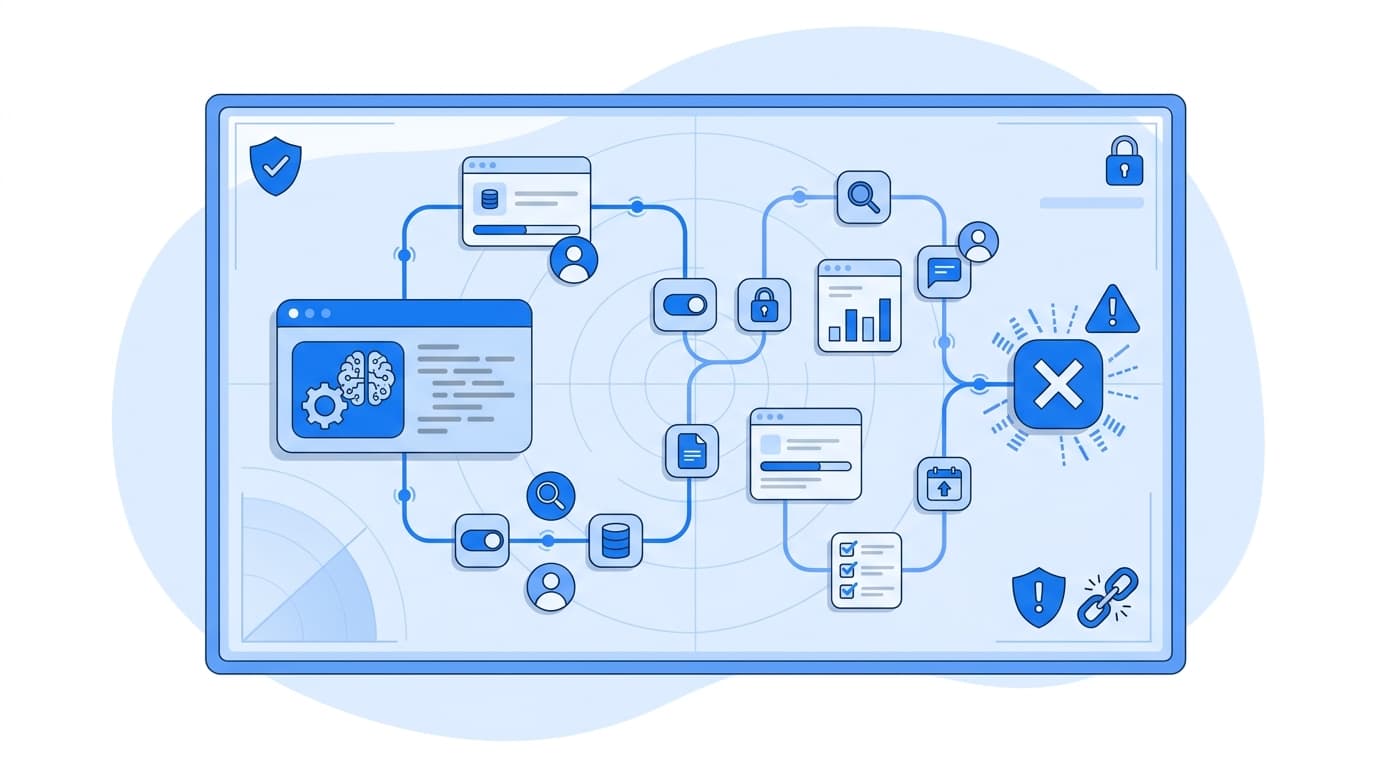
Regulated enterprises often find that governance, not engineering, is the slowest part of delivery. Platforms shift controls left by enforcing them automatically. Open Policy Agent (a CNCF graduated project) is a common choice. This Rego policy rejects Kubernetes deployments that run privileged containers or lack an owner label:
package platform.admission

deny contains msg if {
  input.request.kind.kind == "Deployment"
  some c in input.request.object.spec.template.spec.containers
  c.securityContext.privileged == true
  msg := sprintf("container %s must not run privileged", [c.name])
}

deny contains msg if {
  input.request.kind.kind == "Deployment"
  not input.request.object.metadata.labels.owner
  msg := "deployments must declare an 'owner' label"
}
Auditors get a versioned, testable artifact instead of a spreadsheet. Developers get immediate feedback in their pipeline instead of a rejection two weeks later.
3. Reduced cognitive load frees teams for product work
When the platform owns the undifferentiated layers (networking, secrets, base images, telemetry), stream-aligned teams can focus on domain logic. This is the mechanism behind enterprise agility. Teams are not working harder. They are working on fewer, more relevant problems.
4. Consistency makes change cheap
Standardized services are easier to patch, migrate, and observe. When a critical vulnerability lands in a base image, a platform team can rebuild and roll out across hundreds of services through one pipeline change. Without a platform, the same response becomes a coordination exercise across every team.
Measuring Enterprise Agility Honestly
Platform investments need evidence, and the strongest research base remains the DORA program, summarized in Accelerate (Forsgren, Humble, Kim, 2018) and its annual State of DevOps reports. The four key metrics are:
- Deployment frequency
- Lead time for changes
- Change failure rate
- Time to restore service
Pair these with developer experience signals from the SPACE framework (Forsgren et al., ACM Queue, 2021), such as satisfaction and perceived friction, so you do not optimize throughput at the cost of burnout.
Instrument these from systems you already own. For example, lead time for changes from a deployments table:
SELECT
  service_name,
  PERCENTILE_CONT(0.5) WITHIN GROUP (
    ORDER BY EXTRACT(EPOCH FROM (deployed_at - first_commit_at)) / 3600
  ) AS median_lead_time_hours
FROM deployments
WHERE environment = 'production'
  AND deployed_at >= NOW() - INTERVAL '90 days'
GROUP BY service_name
ORDER BY median_lead_time_hours DESC;
Capture a baseline before launching the platform. Without one, you cannot separate platform impact from everything else changing in the organization.
A Pragmatic Adoption Sequence
We recommend resisting the urge to design the complete platform up front. A sequence that tends to hold up:
- Interview delivery teams. Find the top three sources of friction. Typical answers: environment provisioning, pipeline setup, and access requests.
- Pick one golden path for the most common workload type and build it end to end.
- Onboard two or three willing pilot teams. Treat their feedback as product requirements.
- Publish a service catalog so ownership and dependencies become visible.
- Codify the highest-risk controls as policy, starting with the ones auditors ask about most.
- Expand capability by demand, not by roadmap ambition: databases, event streaming, ML workloads.
- Review metrics quarterly and retire platform features nobody uses.
Common Pitfalls
- Building a platform nobody asked for. Infrastructure-led platforms often optimize for operator convenience. Start from developer pain.
- Mandating adoption too early. Mandates hide quality problems. Earn adoption first.
- Underfunding the platform team. A platform is a long-lived product, not a project with an end date.
- Over-abstracting. Hiding everything frustrates experienced engineers. Expose escape hatches with clear ownership boundaries.
- Ignoring existing estates. Golden paths for new services are easier, but most value sits in migrating existing workloads onto shared foundations.
Where to Start
Platform engineering is as much an organizational design decision as a technical one. It touches team boundaries, funding models, and governance. If you are assessing readiness or shaping a roadmap, our platform and cloud engineering capabilities outline how we approach that work. Regulated sectors carry specific constraints worth planning for early, which we cover across the industries we support.
FAQ
What is the difference between platform engineering and DevOps?
DevOps is a set of cultural and technical practices that unify development and operations. Platform engineering is one way to implement those practices at scale. It packages shared capabilities into a self-service internal product so that every team does not have to build its own toolchain.
Do we need Kubernetes to build an internal developer platform?
No. Many platforms run on Kubernetes because it offers a consistent API for workloads, but a platform can just as well be built on managed serverless services, virtual machines, or a mix. The defining trait is self-service golden paths, not a specific runtime.
How long before platform engineering shows results?
That depends on scope and starting maturity, so we avoid generic timelines. Focusing the first release on one high-friction golden path and a few pilot teams lets you measure DORA metrics against a baseline early, rather than waiting for a full platform launch.
How large should a platform team be?
Size it to the demand you are serving, and fund it as a durable product team with a product owner. Team Topologies recommends keeping teams small enough to share context, then adding capability through additional teams rather than growing one team indefinitely.
Does platform engineering help with regulatory compliance?
Yes, when controls are expressed as code. Policy-as-code tools such as Open Policy Agent enforce requirements automatically in pipelines and clusters, producing versioned, auditable evidence and catching violations before they reach production.